
As artificial intelligence (AI) continues to evolve, so do the tactics of cybercriminals. In Ohio, where small and ...

As artificial intelligence (AI) continues to evolve, so do the tactics of cybercriminals. In Ohio, where small and medium-sized businesses are the backbone of the economy, the rise of AI-driven cyberattacks presents a significant challenge. Understanding these threats and implementing proactive measures is crucial for safeguarding your business.
The Rise of AI in Cybercrime
Cybercriminals are leveraging AI to enhance the sophistication and scale of their attacks. According to a recent survey, approximately 25% of small business owners have been targeted by scams involving generative AI, such as email, voice, or video impersonations of senior-level employees. These AI-driven scams are becoming more sophisticated, making it increasingly difficult for traditional security measures to detect and prevent them.
Common AI-Powered Cyber Threats
AI-Generated Phishing Attacks
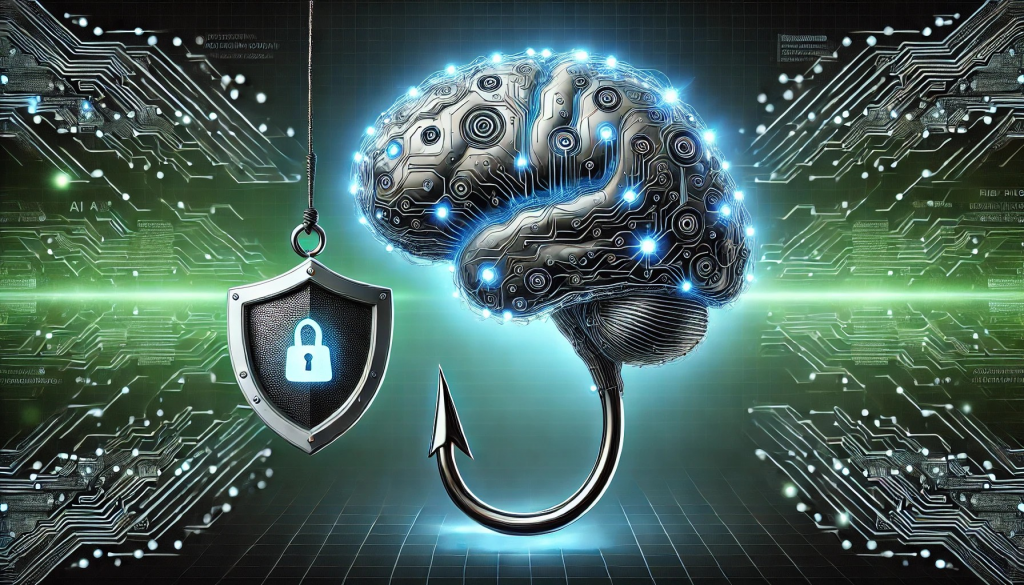
Phishing attacks have become more convincing with the use of AI. Cybercriminals can now craft emails and messages that mimic the tone and style of legitimate communications, increasing the likelihood of deceiving recipients.

Deepfake Technology
Deepfake technology allows cybercriminals to create realistic audio and video recordings that impersonate executives or trusted contacts. These deepfakes can be used to manipulate employees into transferring funds or divulging sensitive information.

Automated Vulnerability Discovery
AI can be used to identify vulnerabilities in systems and applications more efficiently than traditional methods. Hackers can exploit these vulnerabilities before businesses have a chance to address them, leading to potential breaches.
Impact on Ohio Businesses
Ohio's small businesses are particularly vulnerable to these AI-driven cyber threats. A survey found that over half of small business owners have been deceived by a deepfake image or video in the past year. Despite the growing risks, less than half of these businesses have the necessary cyber insurance coverage. Protect your business before it's too late.
Steps to Protect Your Business
1. Implement Multi-Factor Authentication. MFA adds an extra layer of security by requiring multiple forms of verification before granting access to systems. Learn more about MFA.
2. Conduct Regular Security Awareness Training. Educate employees about the risks of AI-driven scams and best practices for identifying and responding to suspicious activities.
3. Utilize AI-Based Security Solutions. Adopt advanced security tools that leverage AI to detect and respond to threats in real-time.
4. Establish Incident Response Plans. Develop and regularly update plans to quickly address and mitigate the impact of cyber incidents. For information on how we can help your business create an effective incident response plan, read more on our website.
5. Secure Your Supply Chain. Ensure that third-party vendors and partners adhere to robust cybersecurity practices to prevent potential vulnerabilities.
Maintaining Vigilance and Best Practices
As AI continues to shape the landscape of cybersecurity threats, Ohio businesses must stay vigilant and proactive in defending against these evolving risks. By understanding the nature of AI-powered cyberattacks and implementing comprehensive security measures, businesses can better protect themselves and ensure long-term success.
Remaining vigilant and proactive is key. As cyber threats continue to evolve, so must your security measures. By staying informed and adapting, you can protect your data and systems more effectively. Remember, cybersecurity is an ongoing process, and staying informed about the latest threats and trends is crucial. By being proactive and vigilant, you can stay one step ahead of cybercriminals and safeguard your organization's future.
If you think you have been the victim of an AI-powered cybersecurity attack and need help, contact us for assistance.
Frequently Asked Questions: AI-Powered Cyber Attacks
What are AI-powered cyber attacks?
AI-powered cyber attacks use artificial intelligence to automate hacking techniques, analyze vulnerabilities, and launch more advanced, targeted attacks. These attacks are faster, harder to detect, and more adaptive than traditional cyber threats.
Why are AI-driven cyber attacks more dangerous?
AI-driven attacks can learn, adapt, and evolve in real time. They can bypass traditional security systems, generate convincing phishing messages, and exploit vulnerabilities at scale—making them extremely difficult to detect and prevent.
How can businesses protect themselves from AI-powered cyber threats?
Companies should adopt AI-based security tools, use multi-layered defense systems, monitor network behavior, enforce strong authentication, and conduct regular security audits to stay ahead of AI-driven attacks.
What types of cyber attacks can AI be used for?
AI is commonly used in phishing campaigns, malware creation, deepfake scams, password cracking, DDoS attacks, and automated vulnerability scanning. These threats become more accurate and efficient with machine learning.
Can AI be used for cybersecurity defense as well?
Yes. AI is also a powerful defense tool. It can detect anomalies, block suspicious activity, automate threat analysis, and respond to attacks faster than human teams—helping businesses strengthen overall security.
Schedule a call with us to start the conversation and see what we can do for your business.